

Termite Fumigation in Woodstock, GA
Subterranean termites remain active year-round in Georgia's temperate climate, with populations intensifying during warmer months when they cause the most structural damage to homes in Woodstock and surrounding areas like Towne Lake and Ansley Forest. Termite fumigation targets established colonies before they compromise foundation integrity, and timing matters—early intervention prevents costly repairs. Rucker Pest Control connects you with local independent providers who can assess infestation severity and recommend the right fumigation approach for your property.
Termite Fumigation Services for Woodstock Homeowners
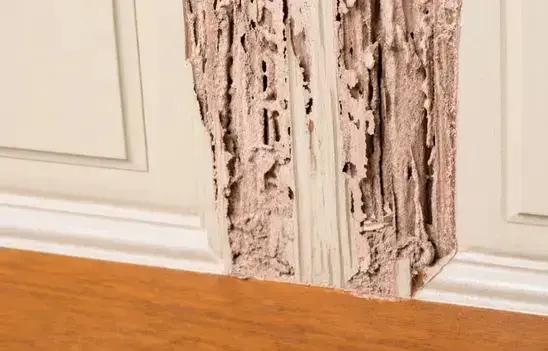
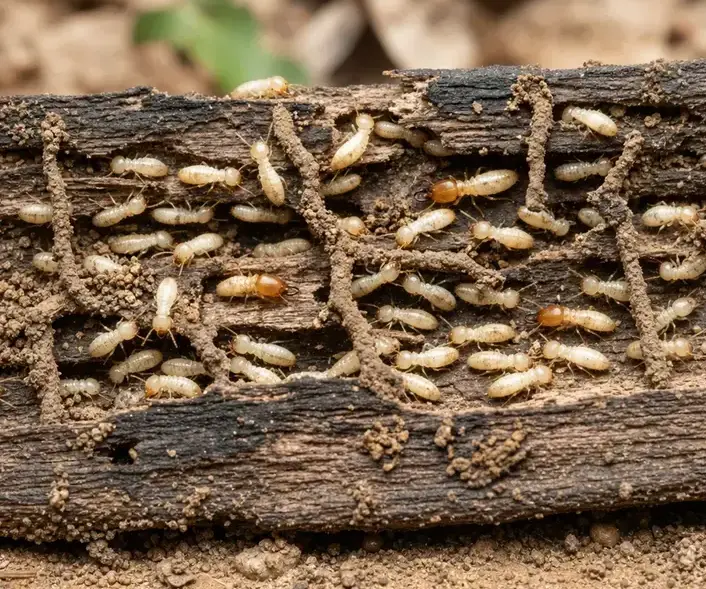
Woodstock homeowners face a persistent threat from subterranean termites, which thrive in Georgia's mild climate and remain active throughout much of the year. Unlike pests that retreat entirely during colder months, termite colonies in the Woodstock area can continue feeding on wood structures during winter at reduced levels, then accelerate their damage as temperatures rise. Spring through summer sees peak termite activity, making this the critical window when infestations grow most rapidly—but waiting until warm weather to address an established colony means months of ongoing structural compromise. If you suspect termite activity in your home, whether in Towne Lake, Ansley Forest, or elsewhere throughout Woodstock, the longer an infestation persists untreated, the greater the potential cost and extent of repair.
Rucker Pest Control connects Woodstock property owners with independent local pest control providers who specialize in termite fumigation and can assess the scope of your infestation and recommend a treatment plan tailored to your home's specific situation. These local professionals bring knowledge of how termites behave in the Woodstock area and use targeted fumigation approaches designed to eliminate colonies at their source. After treatment, follow-up inspections help confirm effectiveness and catch any signs of re-infestation early. When you contact Rucker Pest Control, you're matched with a local provider ready to help protect your home from further termite damage.
Why Woodstock Homeowners Trust Rucker for Termite Fumigation
Local Termite Fumigation Experts
Rucker connects you with independent local providers who understand termite behavior and Georgia's pest cycles. Termite fumigation requires knowledge of your property's vulnerabilities and climate conditions—providers in our network bring that regional expertise to every job.
Responsive Termite Fumigation Service
Active termite infestations demand fast action. Rucker's local provider network responds quickly to termite fumigation requests, minimizing delay between inspection and treatment. Quick scheduling helps protect your property before damage spreads further.
Clear Communication Throughout Treatment
Termite fumigation involves preparation, application, and post-treatment care. Independent providers in our network explain each step clearly, answer your questions, and keep you informed so you understand what to expect before, during, and after fumigation.
Year-Round Termite Pressure in Georgia
Subterranean termites remain active through Georgia's mild winters, creating ongoing fumigation risk for Woodstock properties like those in Towne Lake and Deer Run Trails. Rucker helps you connect with local providers who understand this persistent seasonal cycle and can schedule preventive or responsive termite fumigation accordingly.
How Our Termite Fumigation Process Works
Schedule Your Termite Fumigation Inspection
Contact Rucker Pest Control to arrange an initial visit from a local termite fumigation provider in Woodstock. The provider will assess your property for signs of termite activity and determine whether fumigation is the right approach for your situation.
Professional Termite Fumigation Assessment
A local provider conducts a thorough inspection to identify termite colonies and infestation extent. In Woodstock's year-round mild climate, subterranean termites remain active even during cooler months, making early detection and proper fumigation planning critical to prevent structural damage.
Complete Your Termite Fumigation Treatment
Once you approve the fumigation plan, the local provider schedules and executes the termite fumigation treatment tailored to your property. Follow-up monitoring ensures the fumigation addressed the infestation and protects your home from future termite activity.
Ready to schedule termite fumigation in Woodstock? A local provider can get started fast.
Call (770) 884-7786Termite Fumigation Needs Across Woodstock
Woodstock's mix of established neighborhoods and newer residential developments creates varying termite fumigation challenges. Mature properties in areas like Ansley Forest and Olde Rope Mill often feature older construction and established tree canopies that can harbor subterranean termite colonies—the region's most persistent wood-destroying pest. These established neighborhoods typically require thorough inspection and fumigation planning that accounts for aging structures and surrounding landscaping. Newer subdivisions such as Towne Lake present their own considerations, where construction materials and foundation conditions may differ from older homes, yet termite pressure remains consistent throughout Woodstock year-round due to Georgia's mild climate.
Subterranean termite activity intensifies during spring and summer months when conditions favor colony expansion and swarming, making this season critical for fumigation intervention. However, termite work can continue at reduced levels even through winter in the Woodstock area, meaning property owners should remain vigilant regardless of season. Carpenter ants compound the wood-damage risk in both older and newer homes. Professional termite fumigation addresses these persistent threats directly, and connecting with a local independent provider who understands Woodstock's specific pest dynamics ensures your property receives targeted, appropriate treatment.
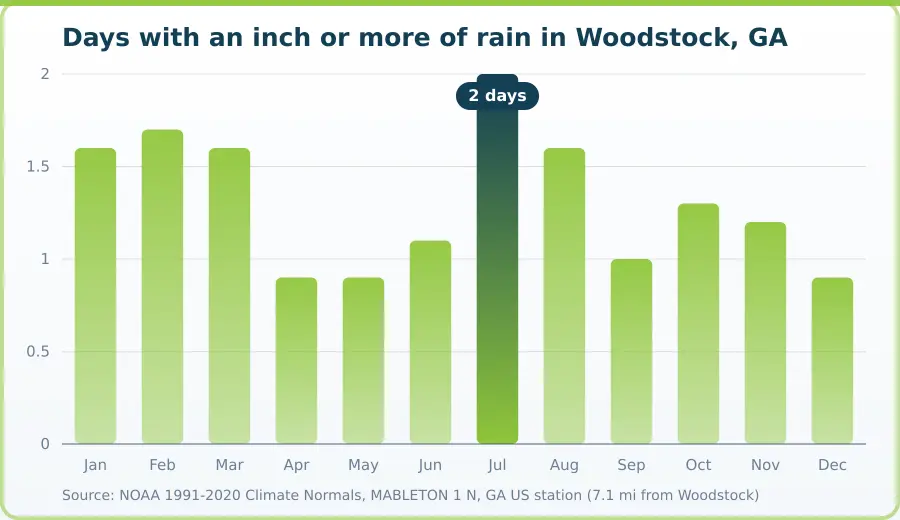
| Period | Days with an inch or more of rain (days) |
|---|---|
| Jan | 1.6 |
| Feb | 1.7 |
| Mar | 1.6 |
| Apr | 0.9 |
| May | 0.9 |
| Jun | 1.1 |
| Jul | 2 |
| Aug | 1.6 |
| Sep | 1 |
| Oct | 1.3 |
| Nov | 1.2 |
| Dec | 0.9 |
Source: NOAA 1991-2020 Climate Normals, MABLETON 1 N, GA US station (7.1 mi from Woodstock). Retrieved October 5, 2026.
Seasonal Termite Fumigation Guide for Woodstock Homes
Spring: Emergence and Activity
As temperatures warm after April 2, subterranean termites become increasingly active, swarming to establish new colonies in and around Woodstock homes. Early termite fumigation prevents colonies from expanding before peak breeding season. Rucker connects you with local providers experienced in spring inspections and treatment planning for termite-prone properties.
Summer: Peak Pressure
With over 10 days monthly averaging 90°F or higher between June and August, termite colonies thrive and intensify foraging activity. Summer fumigation targets established infestations before structural damage accelerates. Rucker's network locates providers ready to perform thorough termite fumigation when pressure peaks, protecting homes in Towne Lake and surrounding areas.
Fall: Preparation Before Dormancy
Termite activity persists through early November before the first freeze on 11/04, making fall an urgent window for fumigation before colonies harden their defenses for winter. Delayed treatment allows termites to entrench deeper into wood structures. Rucker helps homeowners in places like Deer Run Trails schedule final fumigation before colder months limit treatment options.
Winter: Reduced but Ongoing Risk
Georgia's mild winters mean termite colonies survive underground year-round rather than dying off, continuing slow damage even as surface activity drops. With 18.2 freezing nights in January, fumigation remains viable but logistics differ. Rucker connects winter-ready providers who maintain termite fumigation schedules when many pest problems quieten, ensuring continuous protection for Woodstock properties.
Termite Fumigation FAQs — Woodstock, GA
Termite fumigation is a comprehensive treatment where a structure is sealed and filled with fumigant gas to penetrate walls, soil, and wood to reach termite colonies throughout the building. The process typically takes several days from preparation through aeration and re-entry. Your local provider will explain the specific steps and timeline based on your home's layout and infestation severity.
Response time depends on the independent provider you're connected with and current demand in your area. Rucker Pest Control connects you directly with local providers who can discuss availability and scheduling. For active termite concerns, contact a provider promptly—early treatment prevents structural damage from worsening.
Termite fumigation pricing varies based on your home's size, the extent of infestation, structural complexity, and local treatment requirements. The independent provider you're connected with will assess your property and provide a detailed quote. Get estimates from multiple providers to compare pricing and service approaches.
Preparation typically includes vacating the home for 24–48 hours, removing or sealing food and medications, arranging for pets to leave, and turning off certain appliances. Your provider will give you a complete pre-fumigation checklist. Following these steps carefully ensures safety and allows the fumigant to work effectively throughout your home.
After fumigation, ongoing prevention involves reducing moisture around your foundation, maintaining gutters, removing wood-to-soil contact, and storing firewood away from the house. Many homeowners schedule periodic inspections to catch early signs of activity. Ask your provider about monitoring options and long-term pest management strategies for your situation.
Subterranean termites remain active year-round in Georgia's mild climate, though infestation pressure often peaks during warmer months. If you've discovered termites, fumigation should happen as soon as practical regardless of season—delays allow colonies to cause more structural damage. Work with your provider to schedule treatment at your earliest opportunity.
Homeowner Safety Toolkit
Verify Your Woodstock, GA Pest Control Company
Before you hire anyone, use these independent national resources to confirm credentials, standards, and track record.
NPIC
A free, independent hotline run jointly with the EPA and staffed by specialists who can answer specific questions about a pesticide or treatment method before you agree to it.
Ask a QuestionEPA
The federal government's own guide to choosing a pest control method and using pesticides safely around your home and family.
Pesticide Safety GuideAAPCO
The national association of state pesticide regulators. Use it to find your own state's licensing agency and confirm a company's applicator license is current.
Find Your State AgencyRelated Services
Dealing with severe termites in Woodstock? Get fast, whole-home fumigation from a local provider.
Call (770) 884-7786Areas We Serve in Woodstock, Georgia
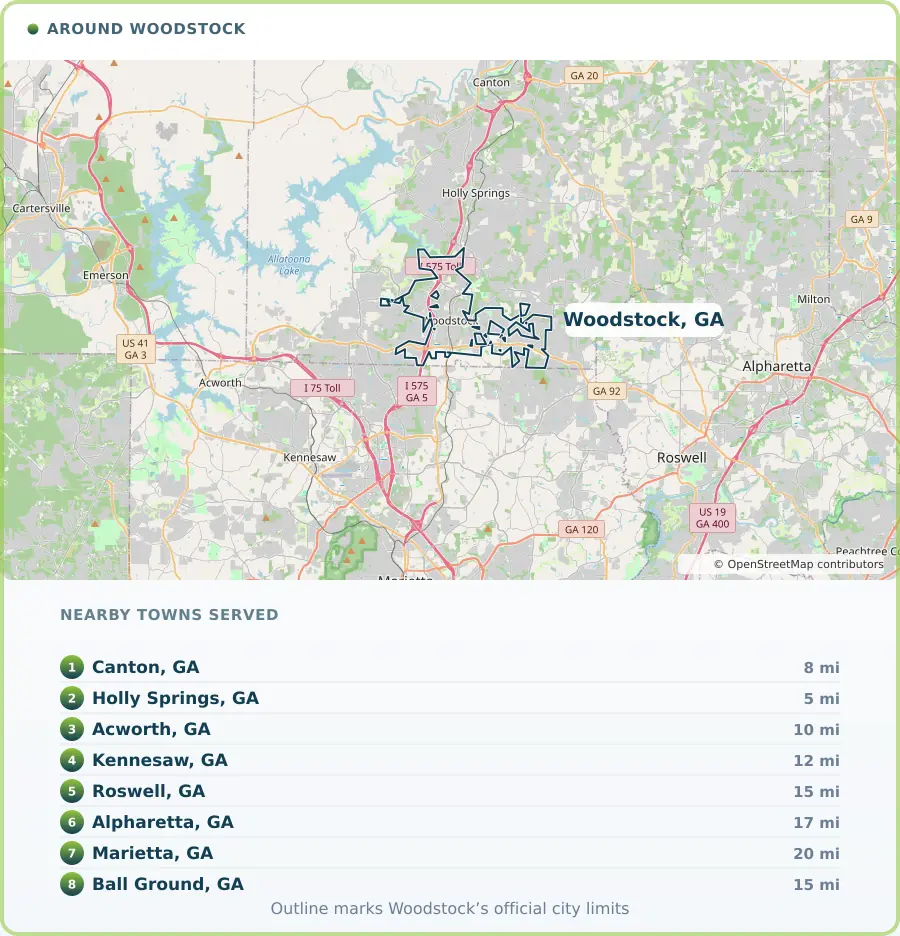
Coverage centres on Woodstock, GA and reaches 8 surrounding communities. Response time is what matters most in the hours after a problem is found, so knowing the ground is part of the job.
Woodstock, GA Information
Just north of Atlanta in Cherokee County, Woodstock has grown into one of the region's most energetic suburbs, home to roughly 34,000 residents who enjoy small-town charm with big-city access nearby. Downtown Woodstock anchors much of that character, its shops, restaurants, and gathering spaces drawing both locals and visitors, while neighborhoods like Towne Lake and Bradshaw Farm reflect the steady residential growth reshaping the area.
The local economy leans heavily on healthcare, education, and retail, with Northside Hospital Cherokee and the Cherokee County School District among the area's largest employers. Familiar national names like Publix, Kroger, and The Home Depot sit alongside locally owned businesses, and ongoing home construction keeps demand strong for services that support Woodstock's growing households.

Photo: Chris Light, CC BY-SA 4.0