

WDI Inspection in Woodstock, GA
Subterranean termites remain a year-round concern in Woodstock, particularly as Georgia's mild winters allow colony activity to persist even when seasonal pressure declines. A WDI inspection identifies termite damage and active infestations before they compromise structural integrity, which is especially critical for homeowners in established neighborhoods like Towne Lake and Ansley Forest where older properties may have hidden vulnerabilities. Early detection through professional inspection protects your investment and gives you time to coordinate treatment with a local pest control provider before damage becomes extensive.
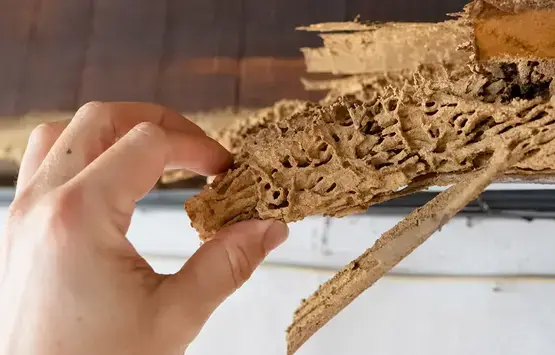
When are termites active in Woodstock, GA?
Seasonal advice is usually written for the whole country. These are the published figures for the species, placed next to the measured climate for this city specifically.
“Native subterranean termites begin swarming in February/March, swarm during the day, and are not attracted to lights.” UGA Extension
“Formosan termites (1) swarm at night; (2) swarm in late May and/or early June (in Georgia), and (3) swarmers are attracted to light.” UGA Extension
“In Pennsylvania, swarms of winged termites usually emerge between February and June.” Penn State Extension
The behavior is the part that travels: a swarm in daylight that ignores a porch light is a native subterranean termite, while a swarm after dark drawn to the light is Formosan. The months do not travel — the same native species begins in February or March in Georgia but can emerge any time from February to June in Pennsylvania, so the dates below matter more than either range.
In Woodstock the average last spring freeze falls on April 2, and the frost-free stretch runs to November 4 — about 215 days.Source: NOAA 1991-2020 Climate Normals, ALLATOONA DAM 2, GA US station (12.8 mi from Woodstock)
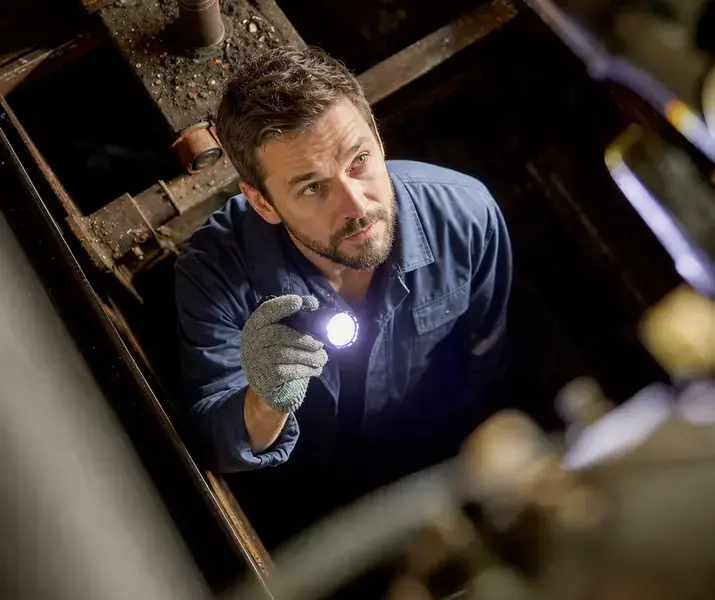
WDI Inspection in Woodstock, GA: Protect Your Home
Woodstock homeowners face persistent termite activity year-round, with subterranean termites posing a particularly serious threat to property structures. Wood-Destroying Insect (WDI) inspections are essential for catching infestations early, before costly damage occurs. Whether you're buying a home in neighborhoods like Towne Lake or Deer Run Trails, refinancing, or simply maintaining your property, a thorough WDI inspection provides the clarity you need about hidden pest threats that aren't visible during a standard walkthrough. The mild Georgia climate allows termite colonies to remain active even through cooler months, making regular inspection a year-round concern for Woodstock property owners.
Rucker Pest Control connects you with independent local pest control providers who specialize in comprehensive WDI inspections throughout Woodstock. These providers conduct detailed examinations of accessible areas, looking for telltale signs of wood-destroying insects and documenting their findings in reports suitable for real estate transactions, lender requirements, or your own peace of mind. Beyond inspection, the providers in our network can discuss treatment options if activity is discovered and help address related pest concerns affecting your property. When you need a WDI inspection you can trust, Rucker Pest Control makes it simple to find a qualified local provider ready to serve Woodstock promptly.
Why Woodstock Homeowners Trust Rucker for WDI Inspections
WDI Inspection Expertise You Can Count On
WDI Inspections require knowledge of wood-destroying insect behavior and structural vulnerabilities. Rucker connects you with local providers experienced in identifying hidden damage and active infestations before they compromise your home's integrity.
Fast, Local WDI Inspection Response
When you suspect wood-destroying insects, time matters. Rucker's local network delivers prompt WDI Inspection scheduling and straightforward findings, so you understand the scope of any problem and can act quickly to protect your property.
Clear Findings From WDI Inspections
WDI Inspection reports must be precise and understandable. Rucker connects you with providers who communicate clearly about what they find, explaining damage levels and next steps in terms that help you make confident decisions.
Termite and Ant Pressure Demands Regular WDI Inspection
Georgia's warm climate keeps termite and ant activity alive year-round, with intensity rising through spring and summer. Homes in areas like Towne Lake and Ansley Forest benefit from routine WDI Inspections to catch infestations before structural damage occurs.
How Our WDI Inspection Works
Schedule Your WDI Inspection Visit
Contact Rucker Pest Control to book a Wood Destroying Insect Inspection for your Woodstock property. A local independent provider will arrive at your scheduled time to conduct a thorough, detailed examination of your home's structural components for signs of termite, carpenter ant, or fire ant activity.
Professional WDI Assessment & Findings
The inspector evaluates your property's foundation, framing, and accessible wood surfaces for evidence of infestation, damage, or conducive conditions. In Woodstock's warm climate where termite and ant pressure remains active year-round, early detection through a comprehensive WDI Inspection is critical to preventing costly structural harm.
Receive Your WDI Report & Next Steps
You'll receive a detailed WDI Inspection report documenting all findings and recommendations. If wood-destroying insects are present, the independent provider will discuss treatment and monitoring options tailored to your home's specific situation.
Need a wdi inspection in Woodstock? Connect with a local inspector fast.
Call (770) 884-7786WDI Inspections Across Woodstock and Nearby Areas
Woodstock's mix of established neighborhoods and newer developments creates varying conditions for wood-destroying insect activity. Older, tree-lined communities like Ansley Forest and Olde Rope Mill often feature mature landscaping and aging structures where subterranean termites and carpenter ants find favorable entry points. Newer subdivisions such as Towne Lake typically have younger construction, yet remain vulnerable to the same wood-destroying pests that thrive in Georgia's climate year-round, particularly as seasonal pressure intensifies from spring through summer.
A thorough WDI Inspection across Woodstock must account for how local pest activity—driven by fire ants, subterranean termites, and carpenter ants—translates into structural risk. These pests remain active even during milder months, making early detection through professional inspection essential whether a home sits on a quiet, tree-shaded lot or in a recently developed section of the area. Connecting with a local pest control provider who understands Woodstock's specific pest challenges ensures that vulnerabilities are identified before minor infestations become costly damage.
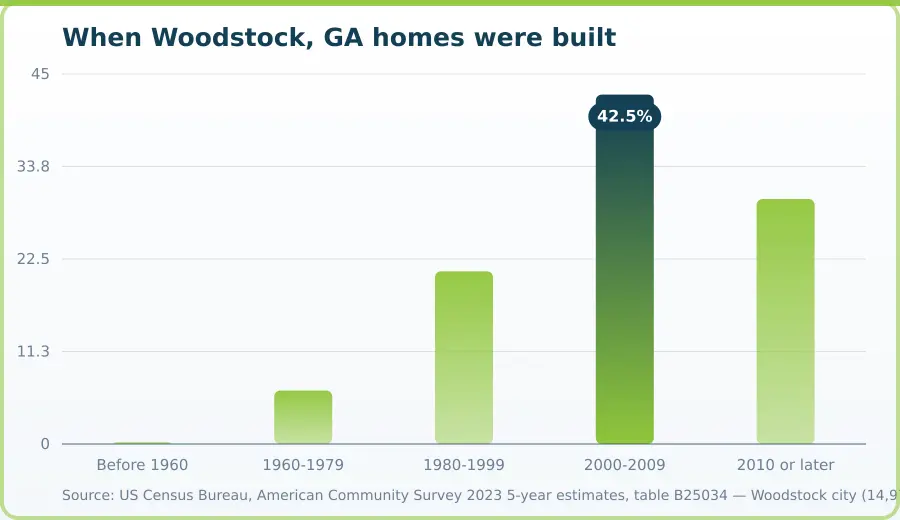
| Period | When homes were built (%) |
|---|---|
| Before 1960 | 0.2 |
| 1960-1979 | 6.5 |
| 1980-1999 | 21 |
| 2000-2009 | 42.5 |
| 2010 or later | 29.8 |
Source: US Census Bureau, American Community Survey 2023 5-year estimates, table B25034 — Woodstock city (14,979 housing units). Retrieved October 5, 2026.
What Our WDI Inspection Covers
Wood-Destroying Insects
We inspect for termites, carpenter ants, wood-boring beetles, and other wood-destroying organisms.
Accessible Structure
Accessible interior and exterior areas, crawl spaces, and framing are examined for damage and activity.
Conducive Conditions
We note moisture, wood-to-soil contact, and other conditions conducive to WDI infestation.
Official WDI Report
You receive a completed report suitable for real estate transactions and lenders where required.
WDI Inspection FAQs — Woodstock, GA
A WDI Inspection—Wood Destroying Insect Inspection—examines your property for active or past evidence of termites, carpenter ants, and other wood-damaging pests. The inspector checks foundation areas, framing, crawl spaces, attics, and exterior wood for signs of infestation, tunneling, or structural damage. The inspection produces a detailed report documenting findings, which lenders and buyers often require during real estate transactions.
Rucker Pest Control links Woodstock homeowners with independent local pest control providers who can schedule WDI Inspections promptly. Response times depend on current demand and the provider's availability, but connecting you to a local inspector happens quickly through our referral service so you can move forward with your transaction or property evaluation without unnecessary delays.
WDI Inspection pricing varies based on property size, age, condition, and the scope of areas to be examined. Older homes or those with multiple levels may take longer to inspect thoroughly. Each independent provider sets their own rates, and Rucker can connect you with local inspectors so you can discuss pricing details and what's included in their service.
Clear access to areas the inspector needs to examine—foundation perimeters, attic spaces, and interior wall cavities. Remove stored items blocking walls or crawl space entrances. Ensure exterior landscaping doesn't prevent inspection of the foundation line. Have any previous pest reports or treatments available to share. The independent provider you're connected with can confirm specific preparation steps when scheduling.
Maintain proper drainage around your foundation to reduce moisture that attracts wood-destroying insects. Keep mulch and soil away from wood siding and trim. Remove dead trees and wood debris from your property. Seal cracks in foundation and exterior walls. Address any wood damage promptly. If the inspection reveals active pest activity, the provider can recommend treatment and ongoing prevention strategies tailored to your Woodstock home.
Termite and carpenter ant activity intensifies during warmer months, making spring an ideal time to detect infestations before they cause extensive damage. If you're buying or selling a home, lenders typically require a current WDI Inspection, and scheduling one in spring ensures you catch pest problems early when treatment is most effective and property conditions are easiest to assess.
Related Services
Homeowner Safety Toolkit
Verify Your Woodstock, GA Pest Control Company
Before you hire anyone, use these independent national resources to confirm credentials, standards, and track record.
NPIC
A free, independent hotline run jointly with the EPA and staffed by specialists who can answer specific questions about a pesticide or treatment method before you agree to it.
Ask a QuestionEPA
The federal government's own guide to choosing a pest control method and using pesticides safely around your home and family.
Pesticide Safety GuideAAPCO
The national association of state pesticide regulators. Use it to find your own state's licensing agency and confirm a company's applicator license is current.
Find Your State AgencyBuying or protecting a property in Woodstock? Schedule your wdi inspection today.
Call (770) 884-7786Areas We Serve in Woodstock, Georgia
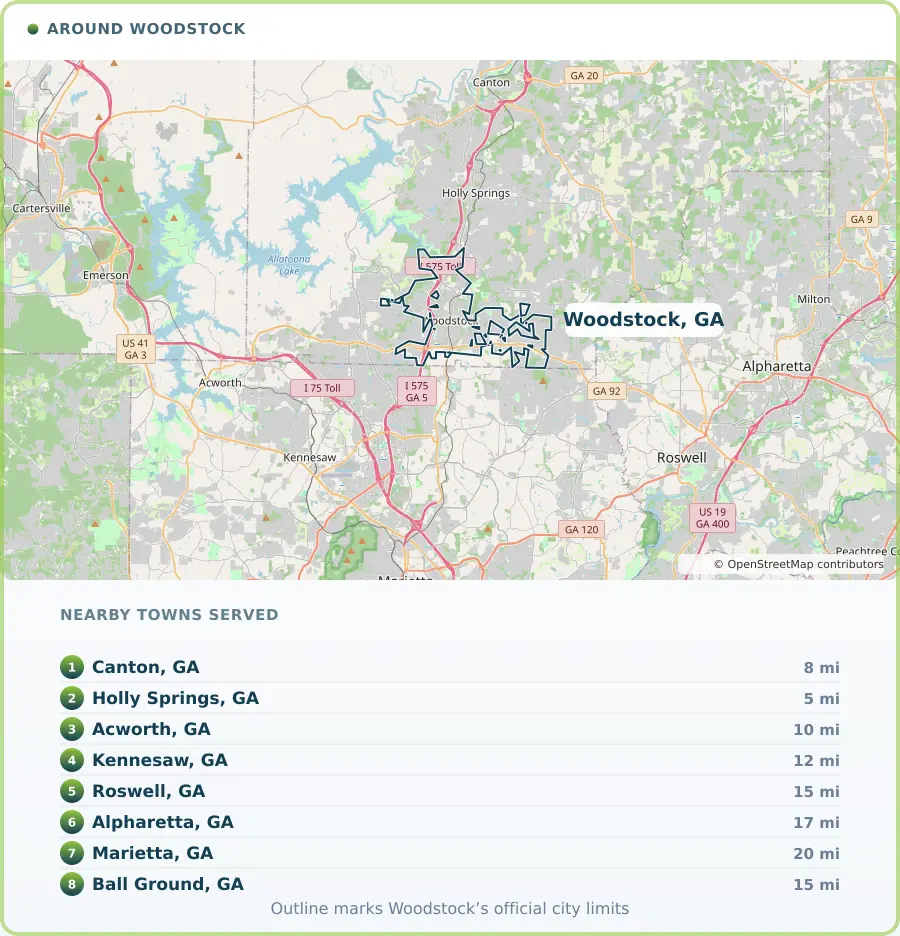
Coverage centres on Woodstock, GA and reaches 8 surrounding communities. Response time is what matters most in the hours after a problem is found, so knowing the ground is part of the job.
Woodstock, GA Information
Just north of Atlanta in Cherokee County, Woodstock, GA has grown into one of the region's most energetic suburbs, home to roughly 34,000 residents who still enjoy a walkable, small-town feel. Downtown Woodstock anchors much of that character, with its mix of local shops, restaurants, and gathering spots drawing visitors well beyond city limits, while neighborhoods like Towne Lake and Eagle Watch reflect the steady residential growth shaping the area.
The local economy leans on healthcare, education, and retail, with Northside Hospital Cherokee and the Cherokee County School District among the area's largest employers alongside familiar national names like Publix, Kroger, and The Home Depot. Easy highway access to Atlanta keeps new construction and small business activity humming, giving Woodstock a lively, ever-expanding personality all its own.

Photo: Chris Light, CC BY-SA 4.0